The 'I'm Fine' Tax: What Masking Burnout Is Really Costing You
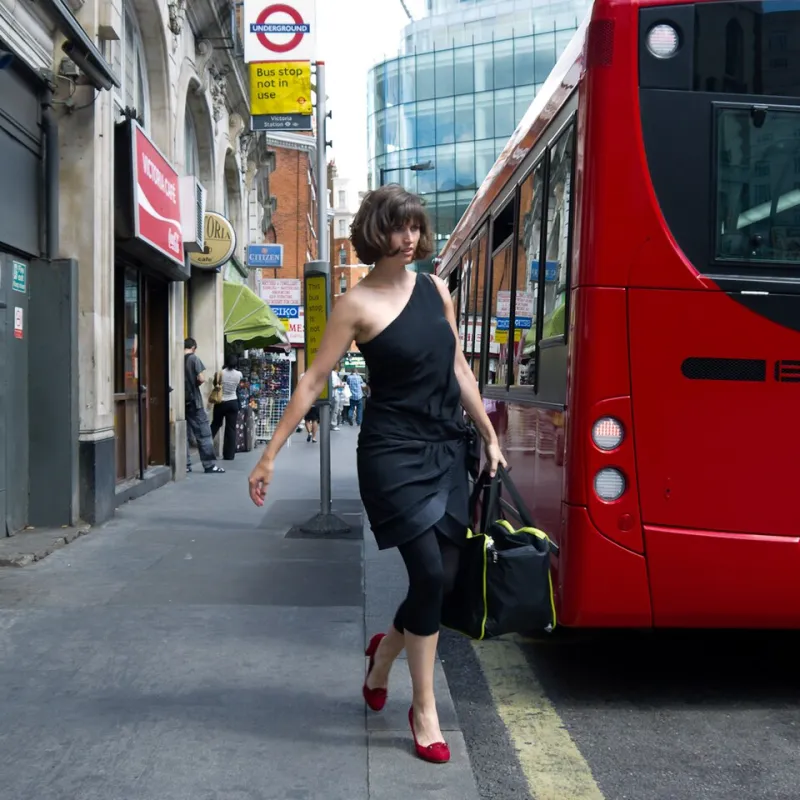
Photo: Francisco Osorio, CC BY 2.0, via Wikimedia Commons
Here is an uncomfortable theory: most UK workplaces do not have a burnout problem. They have a looking-fine problem. The work still gets done, the emails still go out, the meetings still happen. The cost is just moved somewhere else — often onto the person doing the masking, and often onto their bank balance.
I am not talking about the obvious stuff, like taking a pay cut or quitting. I mean the quiet spending that fills the gap between how you feel and how you need to appear. The extra coffee because you slept badly. The taxi because you could not face the commute. The lunch you bought because the thought of making a sandwich was somehow too much. The third black top this month because the laundry pile has become a lifestyle.
Individually, none of it looks like much. Together, it can be a tax on pretending you are okay.
The receipt nobody keeps
Masking burnout is expensive because it takes energy you do not have and turns it into a performance. You still need to look alert in the 9am call. You still need to sound enthusiastic about the project. You still need to remember your colleague's name and not cry in the stationery cupboard.
So you buy help. Convenience food. A stronger coffee. A taxi instead of the bus. A new shirt because the ironing did not happen. A takeaway because cooking felt like a second job. Maybe a subscription to a meditation app you open twice, or a gym membership you keep because cancelling it would mean admitting something.
These are not moral failures. They are coping costs. But if nobody adds them up, they stay invisible — and invisible costs have a way of growing.
Why we pay to look fine
In the UK, we have a long tradition of the stiff upper lip, the cheerful mustn't-grumble attitude and the workplace culture where the first person to admit they are struggling gets quietly labelled a risk. Many people worry that saying they are exhausted will make them look unreliable, uncommitted or not up for the next opportunity.
So they mask. And masking costs money. It also costs energy, which makes the exhaustion worse, which makes the masking harder. That is the loop.
Add money stress into the mix and it gets tighter. If you are worried about bills, you may feel you cannot afford to reduce your hours, ask for adjustments or risk a difficult conversation with your manager. So you keep going. You spend a bit more to keep going. And the financial worry feeds the burnout, while the burnout makes it harder to do the small admin that would ease the financial worry.
The three leaks
Most of the hidden cost tends to leak out in three directions.
The first is convenience spending. Taxis, takeaways, ready meals, coffee, paying for parking you could have avoided, ordering groceries because you cannot face the shop. These are energy substitutes. They are not inherently bad, but they add up fast.
The second is appearance spending. Work clothes, dry cleaning, grooming, the extra things you buy to look like someone who has their life together. This is not about vanity. It is about camouflage.
The third is recovery spending. The thing you buy to feel better after a day of pretending: wine, snacks, impulse purchases, a weekend away you cannot really afford, a new gadget that promises to fix your sleep. Again, not evil. Just worth seeing clearly.
Presenteeism: the cost you cannot put on a card machine
There is also a cost that does not show up on your statement: presenteeism. That is the fancy word for being at work but not really there. You are at your desk, but you are running at half speed. You make mistakes, miss details, take longer to do simple tasks and feel guilty about all of it.
Presenteeism costs you in ways that are harder to measure: missed opportunities, work you have to redo, confidence that slowly erodes. It can also cost you money indirectly if you are freelance, paid by output, or chasing a promotion that you are too exhausted to pursue.
The 20-minute burnout budget audit
If you want to spot the cycle early, try this once. It is not a budgeting lecture. It is a pattern-finding exercise.
- Open your last two months of bank statements. Yes, both.
- Highlight any spending that happened on a day you felt wiped out, wired, or like you were masking at work.
- Sort those highlights into four piles: convenience, appearance, recovery and workarounds. Workarounds might be a taxi because you overslept, or a takeaway because you had no energy to cook.
- Ask one question of each: would I have bought this if I had felt rested and in control? If the answer is no, it is part of the tax.
- Add up the total. Do not judge it. Just look at it.
- Pick one swap for the next month. Batch-cook on Sunday, keep a coffee kit at your desk, book the cheaper train, block 20 minutes for life admin. One swap, not a personality overhaul.
- Check the income side too. Are you doing unpaid overtime? Skipping breaks? Taking on extra work because you cannot say no? That is also a cost.
- Put a 20-minute check-in in your calendar in four weeks. Review the numbers and ask whether the pattern is easing or tightening.
If the number is bigger than you expected, that is information, not a verdict. It is a red flag worth following.
What to do with the number
Use it as a conversation starter, not a confession. If you feel able, tell your manager or occupational health that you have noticed you are spending more to manage workdays, and that you are worried about your energy. Keep it practical: what would make the biggest difference? A later start? Fewer back-to-back meetings? A proper lunch break? Clearer priorities?
If money stress is already biting, get free, non-judgemental help. StepChange, Citizens Advice and MoneyHelper all offer UK support. You do not have to wait until things are desperate.
The bottom line
Looking fine is not free. It has a price, and it is usually paid by the person who is already running on empty. The point of auditing it is not to shame yourself for buying coffee. It is to see the cycle clearly enough to interrupt it — before burnout and money stress decide to team up for a rematch.
At Red Flag Wellbeing, we think the earlier you spot the pattern, the more options you have. That is not a spending plan. It is a survival plan.