Night Bus Home: The Burnout Signals That Hide in Plain Sight on Unsocial Shifts
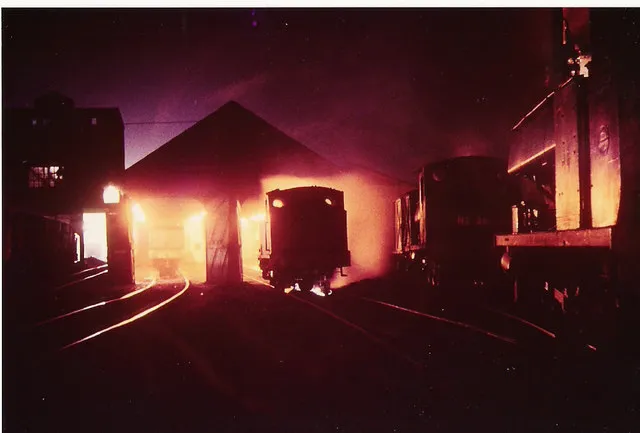
Photo: Roger Cornfoot, CC BY-SA 2.0, via Wikimedia Commons
If you have ever finished a night shift and felt like you were vibrating slightly, you are not alone. The body is confused, the brain is wired, and the outside world is doing that aggressively cheerful early-morning thing while you queue for a bus home. For UK shift workers, tiredness is not a warning sign. It is the job description.
That is the problem. Standard burnout advice often assumes a nine-to-five rhythm: take a lunch break, leave on time, protect your evening. Useful in theory. Less useful when you are covering a 12-hour care shift, picking orders in a warehouse at 3am, or closing a hotel bar after the last guest has finally gone to bed. So how do you tell the difference between normal shift fatigue and something that needs attention?
Why the usual checklist misses the mark
A lot of burnout content is written for people with predictable days. It talks about boundaries, switching off and having a proper weekend. Shift workers often have none of those things in the conventional sense. Their weekends fall on a Tuesday. Their body clock is held together with caffeine and willpower. And their rest days can disappear into recovery rather than feeling like actual time off.
That does not mean burnout advice is useless. It means it needs translating. The question is not simply ‘are you tired?’ It is ‘is rest fixing it?’ Ordinary shift fatigue tends to ease after a decent sleep, a quieter rota or a couple of days off. Burnout is stickier. It follows you home. It sits in your chest on the bus. It makes you feel flat about work you usually care about.
Tired is not the same as depleted
Physical tiredness after unsocial hours is expected. You might yawn through handover, feel heavy after a run of nights, or need a quiet day before you feel human again. That is not automatically a red flag.
Burnout is more like depletion with a side order of detachment. You may still turn up, still do the tasks, still make the right noises, but the connection has gone. Nurses might notice they are going through the motions with patients. Warehouse staff might stop caring about accuracy in the way they used to. Hospitality workers might find themselves avoiding the banter that used to make the shift bearable. Care workers might feel guilty about feeling numb, which only adds to the load.
In other words, the signal is not just exhaustion. It is the loss of recovery, care and meaning around the work.
Signals worth taking seriously on unsocial hours
A few patterns are worth watching, especially if they last for weeks rather than a single rough rota.
Dread that starts before the shift
It is normal to groan about a night shift. It is different if you are dreading it days in advance, feeling anxious on your days off, or lying awake thinking about it. That kind of anticipatory dread can be an early sign that your reserves are lower than you think.
Sleep that does not restore you
Shift workers often have broken sleep. The issue is when you sleep and still wake up feeling unrefreshed, or when your rest days are spent purely recovering rather than living. If every day off feels like a debt repayment, your body may be telling you something.
More mistakes, more checking, less confidence
Burnout can show up as slips: missed handover details, extra checking, forgetting small things, feeling slower than usual. In safety-critical roles, that matters. In any role, it is worth noticing without turning it into a character flaw.
Cynicism or emotional flatness
If you notice yourself becoming more sarcastic, more detached, or less patient with colleagues, patients, guests or customers, that is not necessarily ‘just how you get through nights’. It can be a sign that your emotional battery is running close to empty.
Using caffeine, nicotine or alcohol to manage the edges
Many shift workers rely on coffee to get through. The concern is when the pattern becomes the only way you can function, or when you need alcohol to wind down after a shift. That is a practical signal, not a moral failing.
Your life outside work is shrinking
When work takes so much out of you that you stop seeing people, stop moving, stop cooking properly or stop doing the things that make you feel like yourself, that is worth a second look. Burnout loves a narrow life. It thrives when work is the only thing you have energy for.
Micro-recovery that survives a 12-hour shift
Big wellness plans are not much use when you are on your feet for most of the day. Micro-recovery is about small, repeatable actions that fit around the reality of the rota.
- Protect the sleep block after nights. Treat it like a meeting you cannot move. Blackout curtains, earplugs and a clear message to the household can help. It is not lazy; it is recovery.
- Get daylight when you can. Even ten minutes outside after a night shift, or during a break on a late shift, can help your body clock make sense of the day.
- Eat something that steadies you. It is easy to rely on vending machine food and energy drinks. A proper snack with protein and fibre is not a wellness cliché; it is fuel.
- Take the break you are entitled to. This sounds obvious, but many shift workers skip it because the ward is busy or the team is short. A ten-minute sit-down away from the desk or floor can reduce the build-up.
- Use a landing routine. After work, give yourself a short wind-down that does not involve scrolling in bed. A shower, a snack, a few minutes of quiet. It helps signal to your body that the shift is over.
- Watch the overtime. One extra shift can feel manageable. A pattern of extra shifts can quietly remove the recovery time that was keeping you well.
When to escalate, and what managers can actually do
If the signs have been building for a few weeks, or if you are noticing changes in your sleep, mood, appetite or ability to cope, it is worth talking to someone. That might be your GP, occupational health, a trusted manager, a union rep or a staff support service. You do not need to wait until you are completely floored to ask for help.
For managers, the most useful things are often practical rather than grand. Predictable rotas where possible. Proper breaks. Checking whether overtime is becoming the norm. Asking ‘how are you doing, really?’ without making it a tick-box exercise. Signposting occupational health and employee assistance programmes clearly. And watching for the person who never complains but keeps covering everyone else’s shifts.
Shift work will always involve tiredness. It should not involve a slow, silent drift into feeling empty. If your rest days no longer feel like rest, that is the signal worth listening to.
If you are struggling with your mental health, speak to your GP or contact NHS 111. In a crisis, call 999 or go to your nearest A&E.