The Calendar Gap: What Your Untaken Leave Is Trying to Tell You
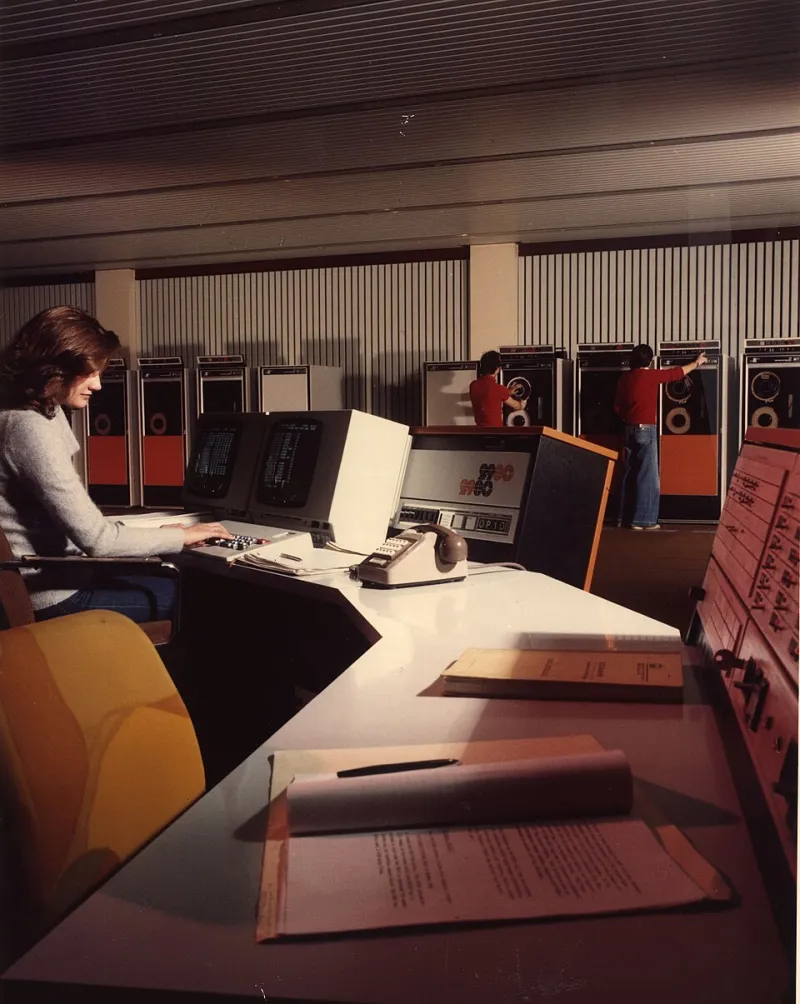
Photo: Tyne & Wear Archives & Museums, No restrictions, via Wikimedia Commons
By late November 2026, plenty of UK workers will be doing the same quiet calculation: how many annual-leave days are left, and how on earth will I fit them in before the year ends? It looks like a diary problem. Sometimes it is. But the leave you never take can also be one of the earliest, least dramatic red flags for burnout.
This is not about judging anyone’s spreadsheet. Full-time UK employees are entitled to 28 days’ paid annual leave, including bank holidays, but entitlement is not the same as taking it. The gap between the leave you have and the leave you actually use is where some useful truths tend to hide.
Leave Is a Behaviour, Not a Score
It is tempting to turn annual leave into a league table: who has the most days left, who cancelled a holiday, who has not booked anything since spring. Resist that. A leave balance on its own proves very little. Someone might be saving days for a wedding, a family trip or a properly long break. Someone else might be avoiding time off because their inbox has become a security blanket. The pattern around the leave is more revealing than the number.
At Red Flag Wellbeing, we are interested in early signals, not amateur diagnosis. Annual-leave habits are best read as a conversation starter. They are a smoke alarm, not a fire report.
Five Leave Patterns Worth Noticing
1. The balance that only goes up. A few untaken days in December is normal. A balance that has been climbing for months is worth a gentle question. Is the work genuinely impossible to step away from, or has stepping away started to feel unsafe?
2. Leave that keeps getting cancelled. One cancelled day can be life. A repeated cycle of booked-then-cancelled leave is different. It often points to a team that has no real cover, a manager who rewards availability, or a person who believes their absence will be punished.
3. The odd single day. Taking the occasional Tuesday off is not a problem. But if someone’s entire leave pattern is made of single days used for admin, appointments or recovery from exhaustion, they may be treating leave as a repair service rather than actual rest.
4. Endless TOIL. Time off in lieu can be a fair arrangement. It can also become a way for extra hours to disappear into a vague future that never arrives. If TOIL is constantly earned and rarely taken, the issue is not the leave system. It is workload.
5. The ‘I’ll take it when things calm down’ trap. Things do not calm down by themselves. Calm is usually the result of someone making space for it. When leave is always postponed until after the next deadline, the next launch or the next crisis, the next crisis tends to arrive first.
For Individuals: Read Your Own Pattern Gently
Start with curiosity rather than criticism. Look back over the last six months and ask a few simple questions. When did I last take a proper block of leave? What stopped me booking more? Do I feel relieved or anxious when I imagine being offline? Have I been using odd days to recover rather than to enjoy anything?
If the answers make you uncomfortable, that is useful information, not a character flaw. Try one small reset. Book two days within the next six weeks before you check whether the diary feels convenient. Tell one trusted colleague that you will be offline. Put a proper handover in place, even if it feels like more effort than the trip is worth. The aim is not a perfect holiday. The aim is to prove to yourself that stepping away is possible.
It also helps to separate rest from admin. A day off spent catching up on life chores is not the same as a day that gives your nervous system a break. If your leave is mostly errands, try to protect at least one small block for something that is not useful. A walk, a long lunch, a film in the afternoon. Rest does not have to be productive to count.
For Line Managers: Support, Not Surveillance
Managers have a legitimate reason to notice leave patterns, but the moment wellbeing becomes surveillance, people stop being honest. Do not pin a leave leaderboard to the wall. Do not use annual leave as a performance metric. Do not treat unused days as proof of dedication or cancelled leave as proof of unreliability.
Instead, make leave part of ordinary one-to-one conversations. Ask open questions: ‘Is there anything making it hard to take time off at the moment?’ ‘What would need to change for you to feel comfortable being away for a week?’ ‘How is the team covering work when someone is out?’
Then act on the answers. If cover is thin, fix the cover. If someone is drowning in TOIL, review priorities. If a manager themselves never takes leave, start there. Teams copy behaviour faster than they read policies. A manager who books leave, actually disappears and does not send ‘just one quick email’ from the beach is doing more for wellbeing than a laminated poster about resilience.
Be especially careful with punitive absence tools and blunt metrics. They can make people hide the very signs you need to see. The goal is not to catch anyone out. It is to create enough safety for someone to say, ‘I am not coping with the pace,’ before they are forced to say, ‘I am signed off.’
The ‘When It Calms Down’ Trap
Work has a habit of expanding to fill the space you give it. If you wait for a quiet week, you may wait until you are too tired to plan anything. Leave is not a reward for finishing everything. It is part of the conditions that make finishing anything sustainable.
That does not mean abandoning your team in a crisis. It means being honest about the difference between a genuine emergency and a permanent way of working. If every month is an emergency, the problem is not your leave request. The problem is the system around it.
A Small Reset for the Rest of 2026
Before the year closes, do one practical thing. If you are an employee, check your remaining leave and book a realistic block, even if it is only two days. If you are a manager, ask your team the same question and be prepared to move work around. If you are a leader, look at whether your organisation quietly rewards people for never switching off. Then change one thing that makes rest easier to take.
And if leave patterns are sitting alongside persistent exhaustion, disturbed sleep, low mood or a sense of dread about work, do not try to solve it with a diary tweak alone. Speak to your GP, use your employee assistance programme if you have one, or talk to a trusted person about what is happening. Burnout is not a medical diagnosis, but it is a serious warning. You do not have to wait until you are empty to take it seriously.
The days you keep not booking are not a moral failing. They are information. Read it kindly, act early, and give yourself the same permission to rest that you would happily give a colleague.